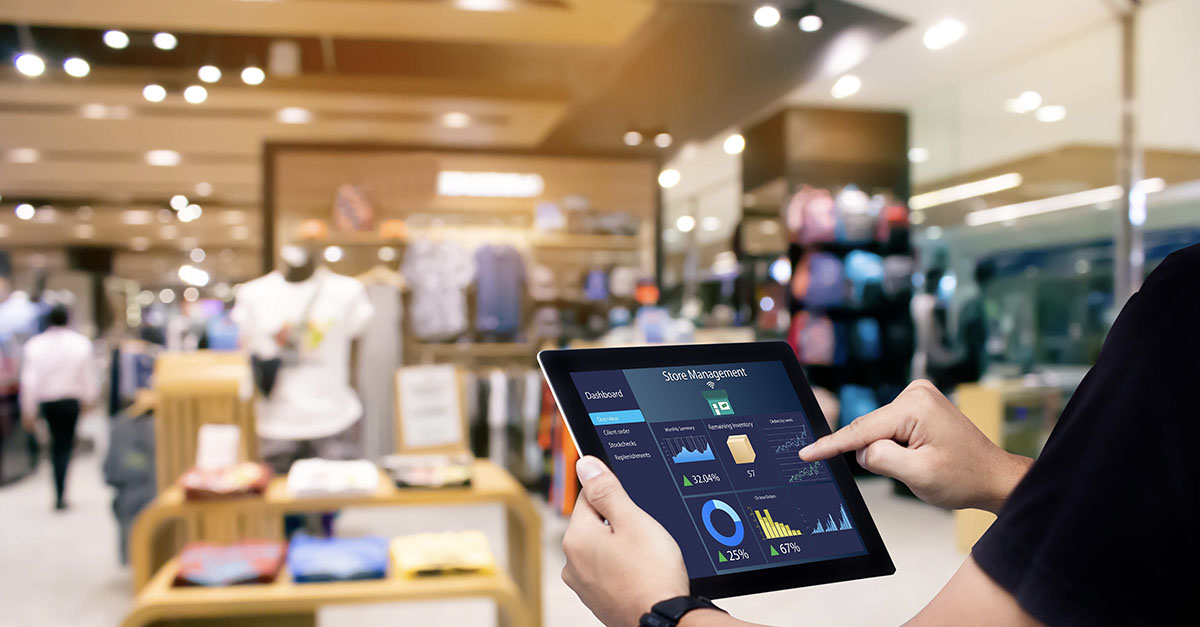
Retail has changed significantly in recent years. Customers can discover products online, visit physical stores, compare prices on their phones, and expect a consistent experience across every channel.
Behind this changing customer experience is a much more complicated operation.
Retail businesses need to manage inventory, product information, promotions, marketing materials, sales data, operational documents, warehouses, stores, and employees. When these areas are managed through disconnected systems, keeping everyone aligned can become difficult.
This is where retail management software can help.
Modern retail businesses are increasingly using digital platforms to centralize information, coordinate teams, improve inventory visibility, and support operations across multiple locations.
What Is Retail Management Software?
Retail management software is designed to help businesses organize and manage important retail operations from a centralized digital environment.
Depending on the business, it can help teams work with:
- Inventory information
- Product data
- Marketing assets
- Business reports
- Operational documents
- Store information
- Promotions
- Team workflows
- Ecommerce information
The purpose is not simply to move retail operations online. It is to make important information easier to access and help different teams work from a more organized source of information.
Why Retail Businesses Need Better Information Management
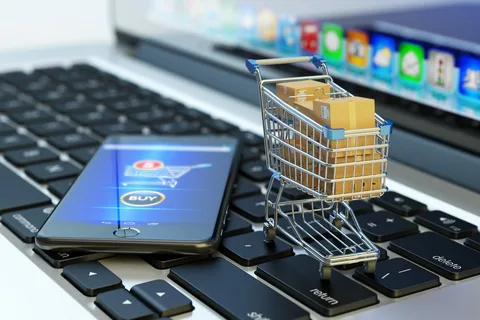
A growing retail company may have several stores, a warehouse, an ecommerce website, and a central office.
Each location may need access to different information.
For example, a store manager may need current stock information, while the marketing team needs promotional assets and the warehouse team needs inventory data.
If these teams work from different spreadsheets, folders, and systems, information can quickly become outdated.
This can lead to questions such as:
- Is this inventory number current?
- Which promotion is active?
- Where is the latest product information?
- Which document is the approved version?
- Does the warehouse have the same information as the store?
A centralized retail workspace can help reduce this type of confusion.
1. Improving Inventory Visibility
Inventory is one of the most important parts of retail operations.
Too much stock can increase storage costs, while too little stock can result in missed sales and frustrated customers.
Retail management software can help teams maintain better visibility into inventory information and stock updates.
When teams can access current information, they can coordinate more effectively between stores, warehouses, and headquarters.
The objective is not simply to display numbers. It is to make inventory information available to the people who need it when they need it.
2. Keeping Teams Updated in Real Time
Retail environments change constantly.
Stock levels can change throughout the day. Promotions can be updated. Products can be added or removed. Marketing campaigns can change according to customer demand.
Working with outdated information can create unnecessary problems.
Modern retail business software can support real-time updates so teams can work from more current information.
This is especially useful for businesses operating across multiple locations, where information needs to move quickly between stores, warehouses, and headquarters.
3. Connecting Stores, Warehouses, and Headquarters
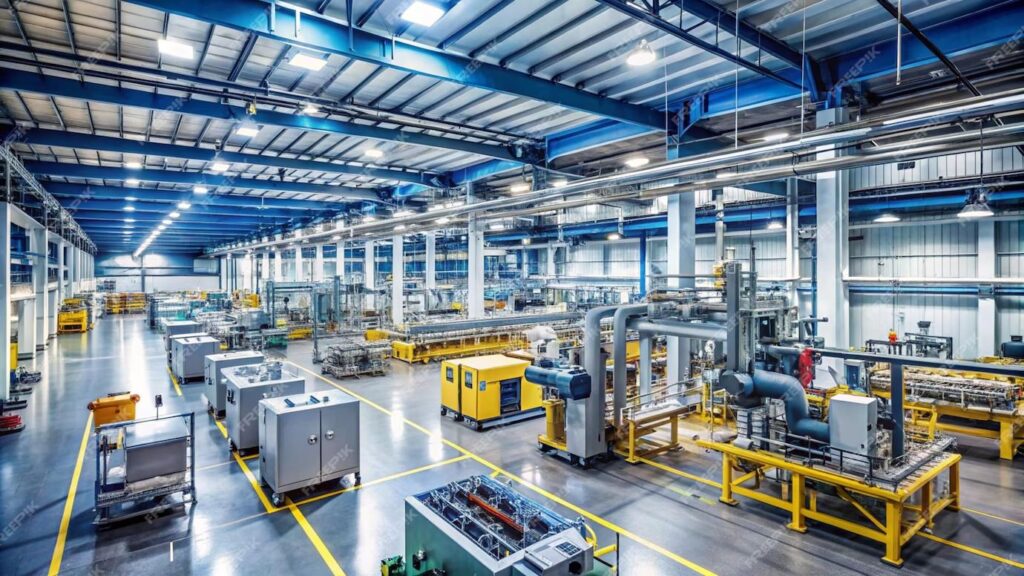
Multi-location retail businesses face a simple but important challenge: keeping everyone connected.
A business might have:
- Multiple retail stores
- Regional warehouses
- An ecommerce operation
- A central office
- Marketing teams
- Purchasing teams
- Customer service teams
Each group contributes to the same overall retail operation.
Ecommerce management software and centralized cloud workspaces can help different teams coordinate information across these locations.
Instead of treating each location as an isolated operation, businesses can create a more connected working environment.
4. Managing Marketing Assets More Efficiently
Retail businesses manage more than products and inventory.
Marketing teams also work with:
- Product images
- Promotional banners
- Advertisements
- Social media graphics
- Campaign documents
- Pricing materials
- Brand assets
These files can quickly become difficult to manage when teams store them across individual computers, email conversations, and unrelated folders.
A centralized workspace can make it easier for authorized employees to find and share the marketing materials they need.
This can be particularly useful when marketing campaigns need to be coordinated across multiple stores and digital channels.
5. Supporting Ecommerce Operations
Retail is no longer limited to physical stores.
Ecommerce has become an important part of many retail businesses, creating the need to coordinate online and offline operations.
Teams may need to manage product information, inventory, reports, promotional materials, and business documents across both environments.
A centralized digital workspace can help teams organize these activities while maintaining connections with existing ecommerce platforms.
Pocket Office’s retail solution supports platforms including Shopify, WooCommerce, and Magento, helping businesses work with product information, reports, and business documentation.
6. Making Collaboration Easier
Retail operations involve many different teams.
Store employees, warehouse staff, managers, marketing specialists, ecommerce teams, and administrators may all need to exchange information.
Without a shared workspace, collaboration can depend heavily on email and manual file sharing.
A centralized environment can provide shared workspaces and real-time file sharing, allowing teams to collaborate around the same information.
This can be especially valuable when employees are working from different locations.
7. Supporting Remote and Hybrid Retail Teams
Although retail stores require employees to work on-site, many retail roles can be performed remotely or through hybrid arrangements.
For example:
- Marketing teams
- Finance teams
- IT teams
- Ecommerce managers
- Business analysts
- Administrative teams
may work from offices or remote locations.
Cloud-based workspaces can allow these employees to access their digital work environment from different devices and locations.
Pocket Office uses a Desktop as a Service (DaaS) model, centralizing desktops in the cloud to support distributed and hybrid teams.
8. Protecting Retail Business Information
Retail businesses handle significant amounts of business information.
This can include inventory data, reports, product information, marketing materials, operational documents, and internal business records.
Not every employee needs access to everything.
Role-based access can help organizations control which users can access specific information.
For example, a store employee may need access to operational information relevant to their location, while a head-office manager may require access to broader business reports.
Security therefore becomes an important part of choosing retail business software.
9. Reducing Dependence on Spreadsheets
Spreadsheets remain useful for many retail teams, but problems can occur when a business relies on large numbers of independently maintained files.
Multiple copies of the same spreadsheet can result in different teams working with different information.
A centralized system can reduce this dependence by providing a shared environment for important retail information.
This does not mean spreadsheets disappear completely. Instead, businesses can use the right tool for the right task while keeping important operational information organized.
10. Making Retail Operations More Scalable
A retail business may begin with one store and eventually expand into several locations.
As the business grows, its technology needs usually grow as well.
More stores mean more employees, more inventory, more operational information, and more coordination.
A scalable retail management solution can help businesses maintain a consistent digital environment as their operations expand.
This is particularly useful for businesses that expect to operate across both physical and digital retail channels.
What Should Businesses Look for in Retail Management Software?

Choosing retail management software should begin with the organization’s specific needs.
Here are several areas worth considering.
Inventory Management
Can the platform provide teams with useful and current inventory information?
Multi-Location Support
Can stores, warehouses, and headquarters work within the same environment?
Ecommerce Integration
Can the platform work with the ecommerce systems the business already uses?
Collaboration
Can employees share files and information without relying entirely on email?
Access Control
Can businesses control access according to employee roles?
Real-Time Information
Can teams work with updated information when stock levels or promotions change?
Scalability
Can the system support the organization as it adds locations, employees, and products?
These questions can help retailers identify whether a particular solution fits their operational requirements.
The Growing Connection Between Retail and Technology
Retail technology is no longer limited to checkout systems or ecommerce websites.
Modern retail operations increasingly depend on connected digital environments.
Inventory systems, ecommerce platforms, marketing tools, cloud workspaces, reporting systems, and collaboration platforms all contribute to the way a retail business operates.
The challenge is making these technologies work together without creating unnecessary complexity.
This is why centralized retail management is becoming increasingly important.
The Future of Retail Management
The future of retail will likely involve an even closer connection between physical stores, ecommerce channels, data, and digital workflows.
Customers may not think about the technology behind their shopping experience, but businesses need reliable systems working in the background.
Better inventory visibility can help teams coordinate stock. Centralized information can help employees find what they need. Connected ecommerce platforms can help businesses manage digital and physical operations together.
Technology will continue to evolve, but the underlying goal remains straightforward:
Give retail teams access to the information they need, when they need it, wherever they work.
Final Thoughts
Running a modern retail business involves much more than selling products.
Businesses need to coordinate inventory, stores, warehouses, ecommerce operations, marketing campaigns, product information, and employees across multiple locations.
Without an organized digital environment, this information can become fragmented.
Retail management software can help bring important information into a centralized workspace, while ecommerce management software can support collaboration between online and physical retail operations.
For businesses looking to create a more connected working environment, Pocket Office’s Retail & E-commerce solution provides a cloud-based workspace designed to support inventory data, marketing assets, operational documents, multi-location teams, and modern ecommerce platforms.
Get in Touch with Pocket Office
Malaysia: +60 146600012
USA: +60 146600012
India: +91 9967940928
Website: https://pocket-office.ai/